SMART TRANSPARENT SCREEN
Contributor : Muchammad Ersan, Borui Liao, Lisa Calder, Qinggeng Zen
Period : August 2019 - November 2019
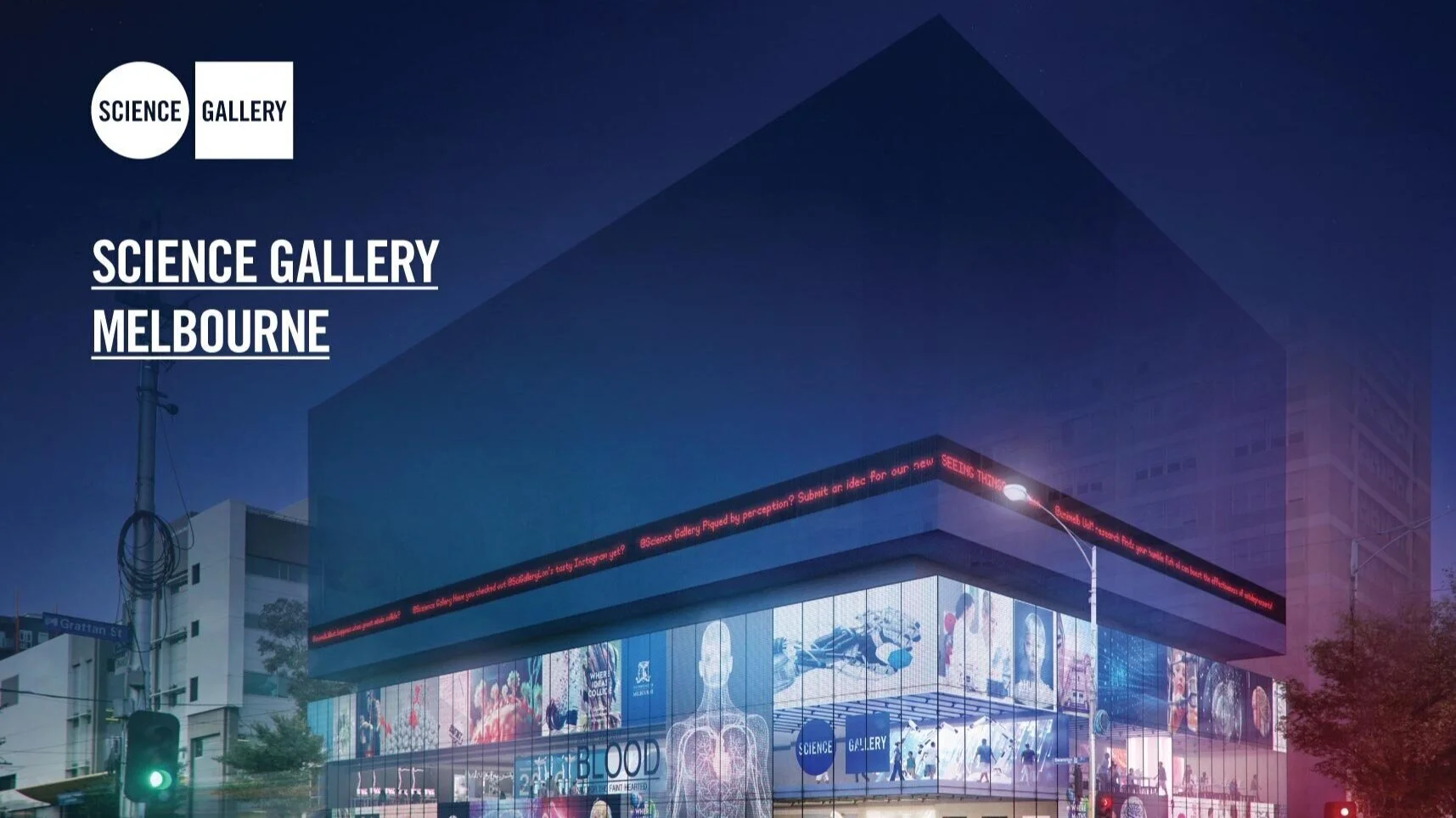
picture by Science Gallery Melbourne
Project Context: Exploratory Research, Product Design, Master Degree Project
Overview
Science Gallery is an international group of public science centres; Science Gallery Melbourne as one of this group will be opened in 2020. This project is about conducting a fieldwork investigation of user needs and proposing a design plan for increasing user experience in Science Gallery Melbourne. This project is divided into three stages: Investigation, Analysis and Design ideation.
This design got outstanding result, much appreciated from Science Gallery Melbourne stakeholders, and chosen as the best design on that class (from 15 teams).
What people says
“The standout was the third group (this group). Great research and great design outcome that goes beyond apps and individual technology, but instead focused on shared interaction” Niels as Science Gallery Melbourne stakeholder.
“The video was extremely creative and clearly showcased a great design concept. The diorama with paper figures to show perspective through smart glass was very effective.” Expert 1
What I have done
Analysed the technical and general requirements
Investigation preparation, including brainstorming and refining questions
Conducted Interviews & Observation, In 3 different locations & 7 interviewers
Participated on thematic analysis which was using affinity diagram approach
Actively raised the finding, and finalised the key finding.
Proposed the design solutions by using 10 plus 10 methods.
Raised the idea of the design scenario of users.
Created and edited video presentations.
Problems and Challenges
Science Gallery Museum want to build technology and art that create a sense of immersion to visitor. Also, SGM want to give positive memories and start to influence the young people.
The main audience is 15-25 years old, which basically student.
Investigation Methods
To understanding the visitors’ needs and perspective, we used semi-structured Manner interview with several follow-up questions based on participant responses. The interviews were occurred on 3 different locations with random participants.
Investigation Places
Since on 2019 the galleries does not have any physical building yet, so we chose the similar places or exhibition which have identical criteria and condition with the Science Galleries. Our three investigation places were;
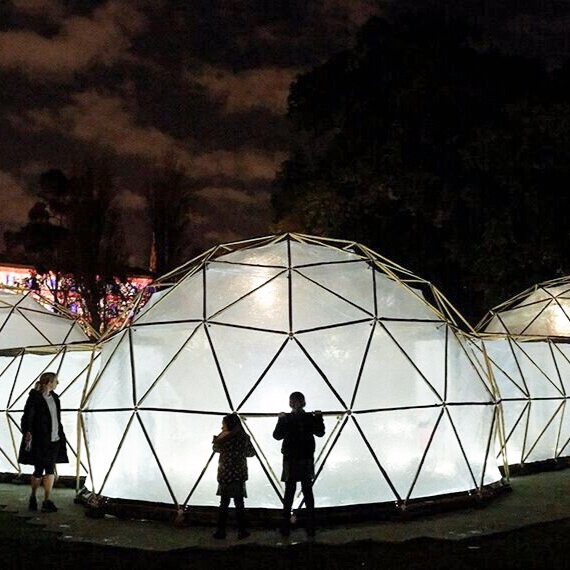
Photo by EPA Victoria from Twitter.com
Pollution Pods
The pop-up artwork designed and developed by Science Gallery for the White Night Melbourne. We conducted 2 interviews and observations.
This places was chosen because this exhibition is created for White Night Melbourne festival which is one of the biggest yearly art festival in Victoria. So we can do much observations by understanding visitors’ behaviours.
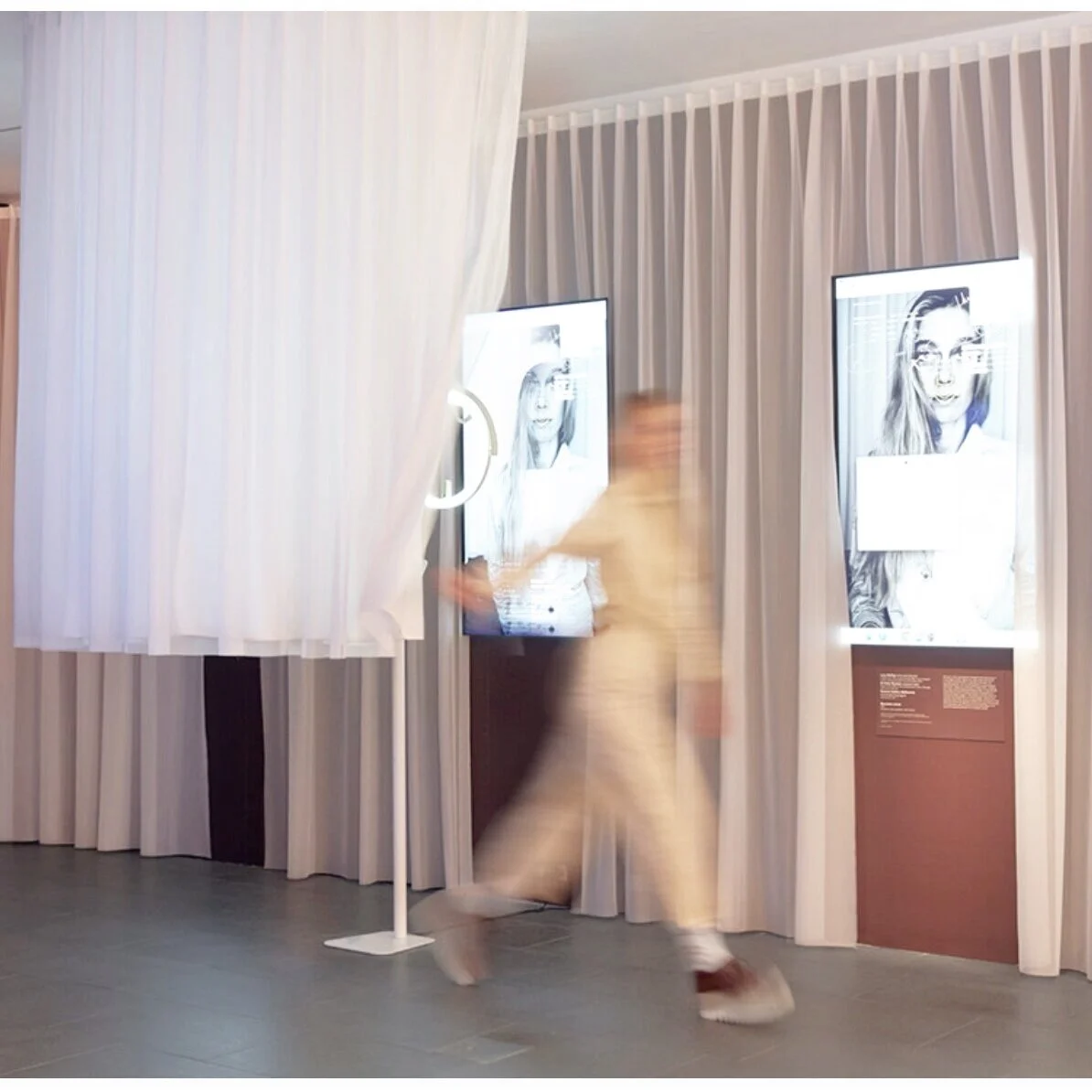
Photo by Tom Ross from indesignlive.com
Lucy McRae Exhibition
The exhibition is located in National Gallery of Victoria on Federation square. We conducted 4 interviews and observations.
This places was chosen because this exhibition provides some immersive arts and target users is similar with Science Gallery Melbourne’ users.

Photo by Maranda Vandergriff from Unsplash.com
Neutral Office Area
We conducted a interview with the Science Gallery stakeholder. The aim is to get much detail about vision & mission, insight, and constrains from stakeholder perspective.
Data Analysis
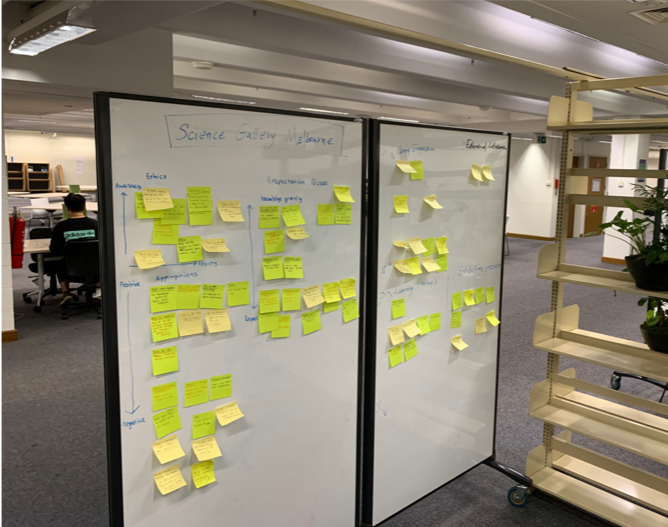
Photo by Ersan Ramadhan
Method
Affinity diagram was used to determine the key findings of the investigation. Short data points and observations were written on sticky notes and grouped by similarity. This revealed several overarching themes. These themes were refined, and for several of the themes, further dimensions were added.
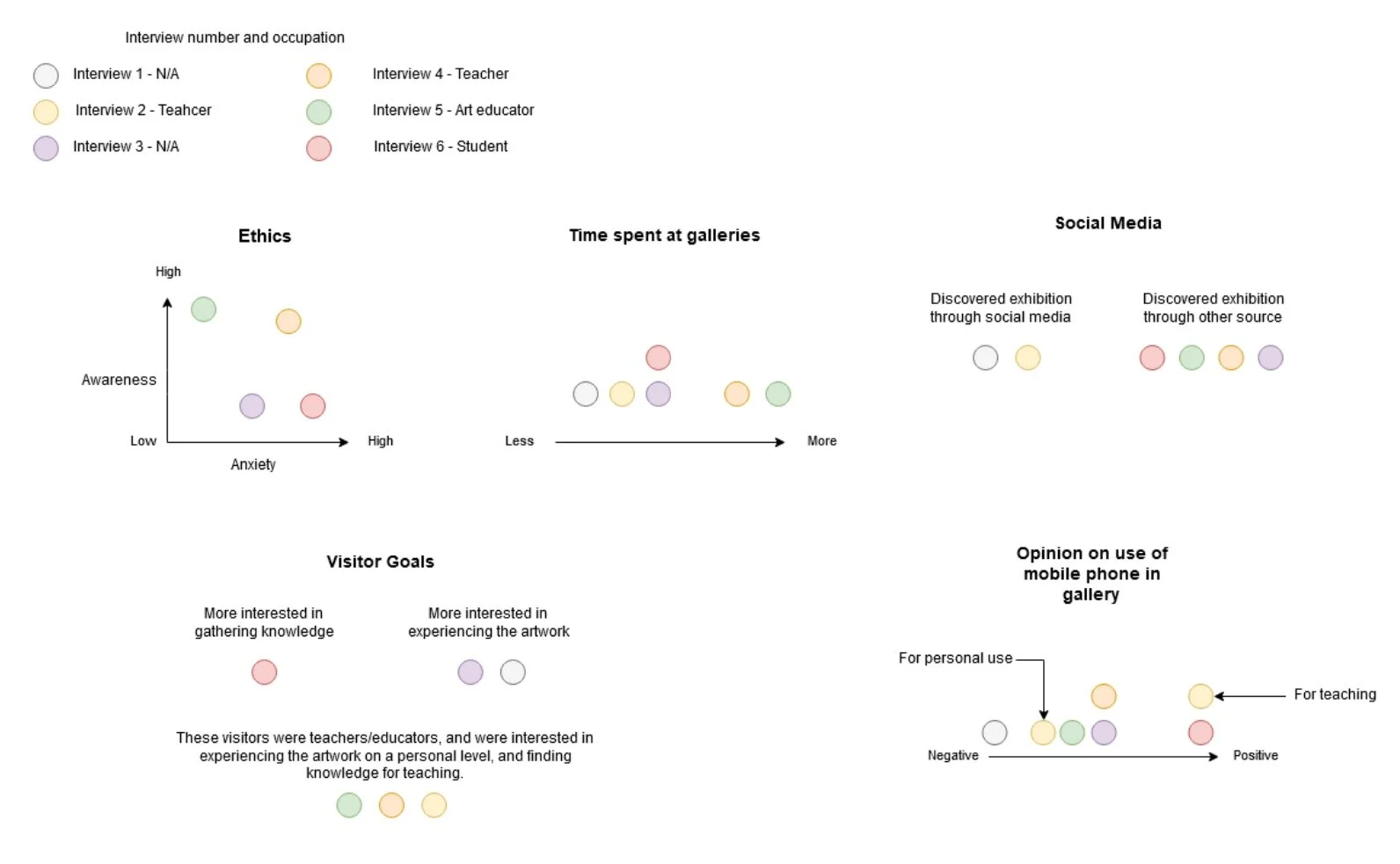
Visitor positions on key issues were identified
Visitors position on each theme was determined, and the associations between these positions were identified.
Key findings & Design Insight
Research Collaboration - The design should allow researchers to extract information, and visitors to learn more about research.
Knowledge gathering vs Experiencing art - The design should allow users to control how much information they receive.
Ethical Technology - The design should be transparent in its use of personal data, and should encourage critical thinking about technology.
Personas
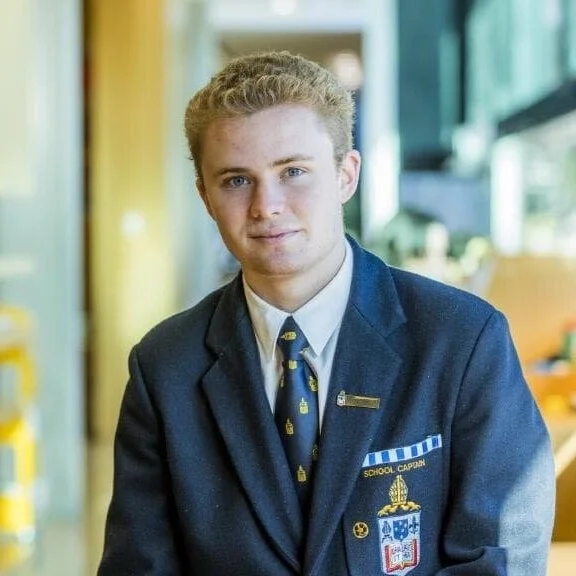
Photo by Google.com
Mike
He is a Victorian Certificate of Education student, assignment at the Science Gallery. Thus, he needs to find information at gallery. Also, he unsure of his future career, may be influenced to pursue science by his visit.
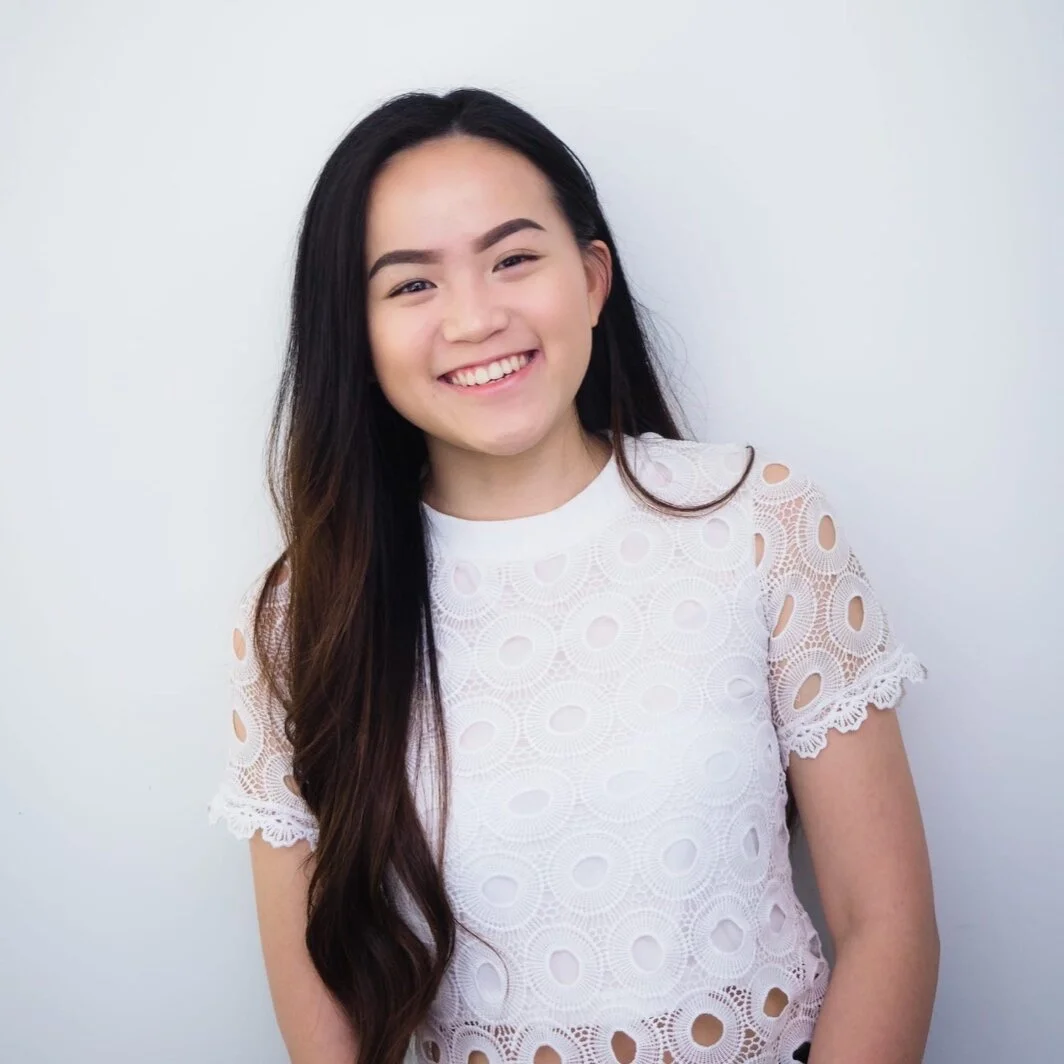
Photo by Google.com
Amy
She recently graduate architect and not much knowledge about science and technology. She wants to become immersed in the gallery during her visit. Her views on technology & research may be shaped by her visit.
Design Proposal
To get much idea about design, every team member should think 10 possibilities of design from the insight or key findings that we were finalised before. We met at one place then every team member should proposed the 10 design. This kind on activities called 10 plus 10 methods, as it is effective to get wild and broad design idea.
Based on our discussion, we defined an ideal work should satisfy the following design goals;
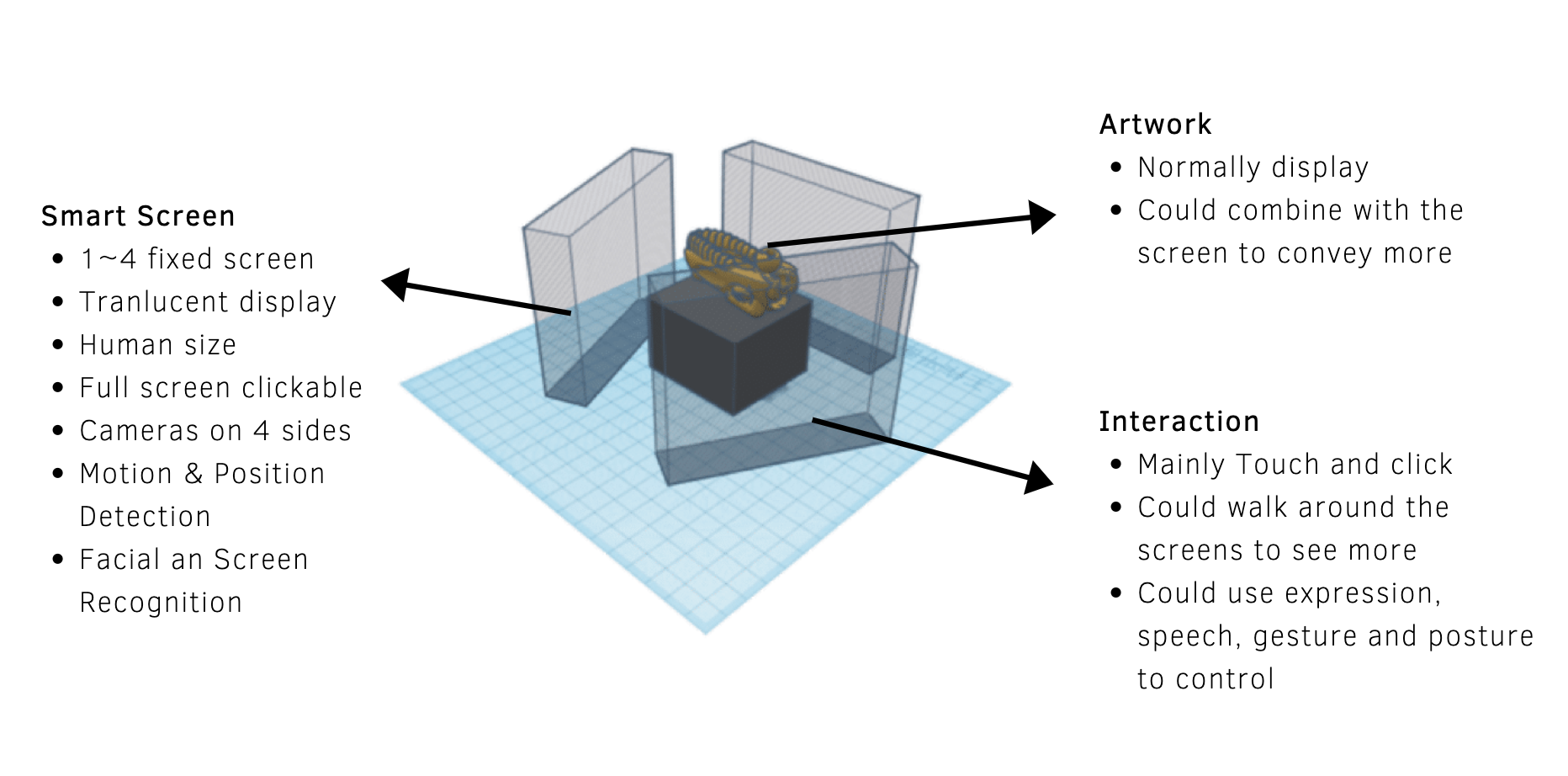
Picture : How the design work
Being physical and interactive that promote the feeling of immersion in gallery visiting.
Being able to prompt visitors to think and share.
Making the gathering of artwork-related knowledge controllable and more accessible.
Not letting an APP or other software dominate the experience of gallery visiting.
If available, helping bridge the gulf between visitors and researchers.
Scenario
We proposed several possibility scenarios to tell the people about how our design might be useful on the galleries, and give illustration how our design might works.
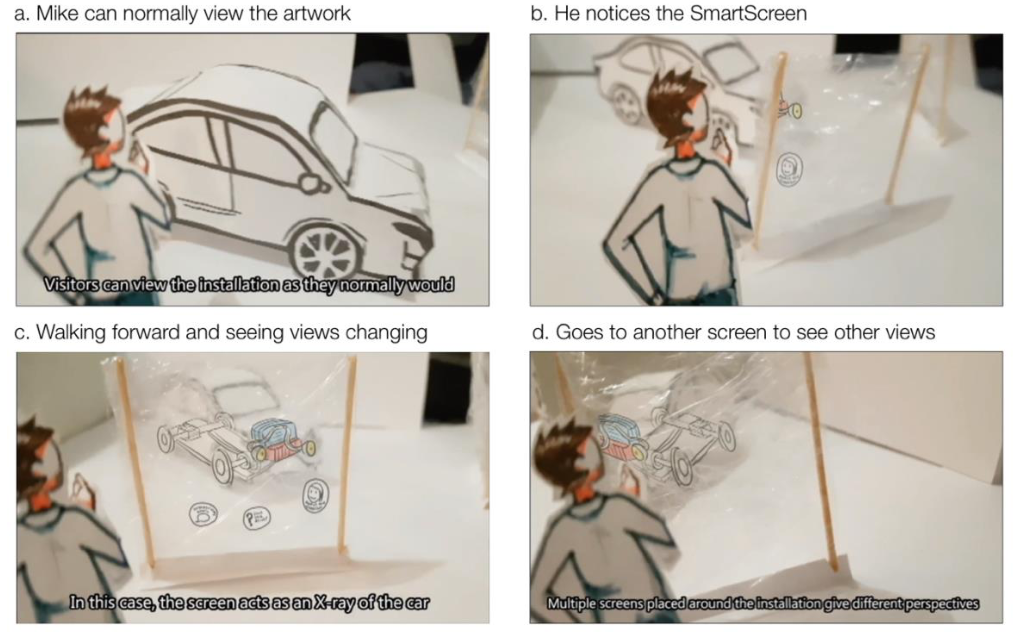
1. Extending the experience of viewing artworks.
Visitors can see different views from different angles. The views could be pictures showcasing the world the artwork originated from or other relevant views that can help convey the design concepts.
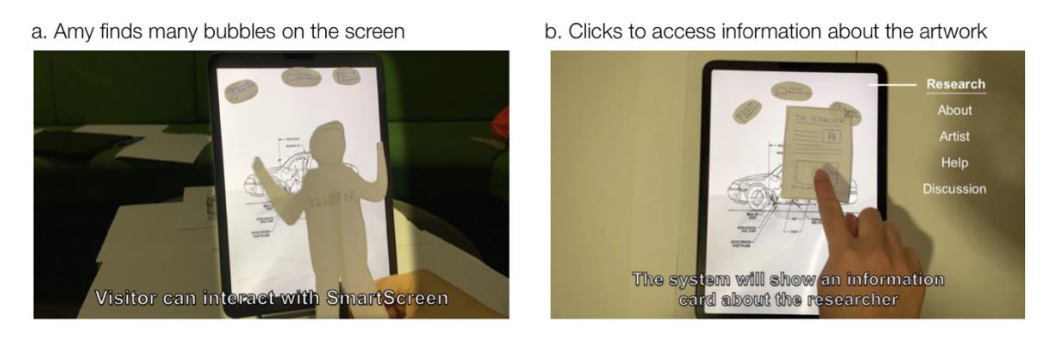
2. Providing more knowledge about the artwork
Visitors can click the bubbles on the screen to gain more artwork-related information, including RESEARCH, ABOUT, ARTIST, DISCUSS, etc. In the RESEARCH sub- scenario, the visitor can check research projects relevant to the artwork. If feeling interested, they can provide consents to join them through the screen.
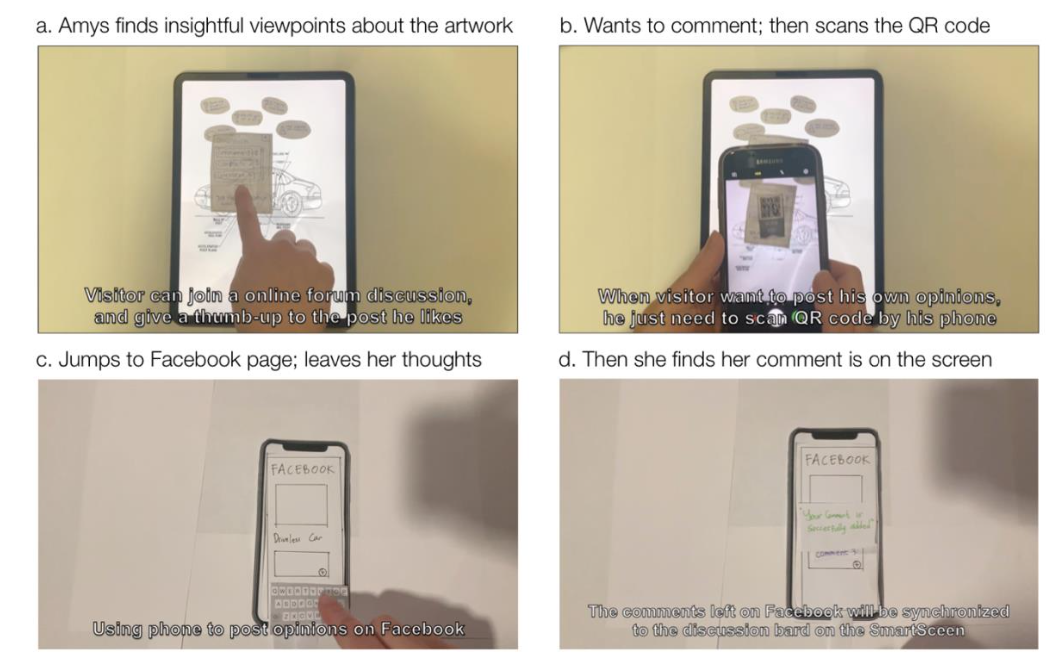
3. Promoting thinking and sharing
For those controversial artworks, the visitor can check viewpoints left by other visitors on the screen; they can also scan the QR code to leave their own comments.
Result
Since this project is under the one of the subject for Master Information Technology (HCI) on University on Melbourne, we cannot implement it and make it to become real. In the end of time, we present the design in front of our colleges, experts, and stakeholder. Then, this design got outstanding result (90/100 points), much appreciated from Science Gallery Melbourne stakeholders, and chosen as the best design on that class (from 15 teams).
Video Presentation
This is our video presentation about this project. The video is far from perfect since our time constraints, but we tried to tell our full story on 2 minutes video. Enjoy our masterpeace !!